Pet Health
What to Do if Your Dog Gets Fleas: Grooming and Treatment Tips
How to confirm fleas, what a bath and a flea comb can and cannot do, why your home needs treating too, and when to call your vet.
Nat · December 15, 2025 · 5 min read

Finding fleas on your dog is upsetting. You feel bad for them, you start itching yourself, and a lot of people feel a little embarrassed too. Please don't. Fleas are common, and they have nothing to do with how clean your home is or how well you look after your dog. They hitch rides on other animals, on people, and from shared outdoor spaces. What matters now is getting your dog comfortable again and dealing with the fleas thoroughly, and that's very doable.
Confirm it's fleas
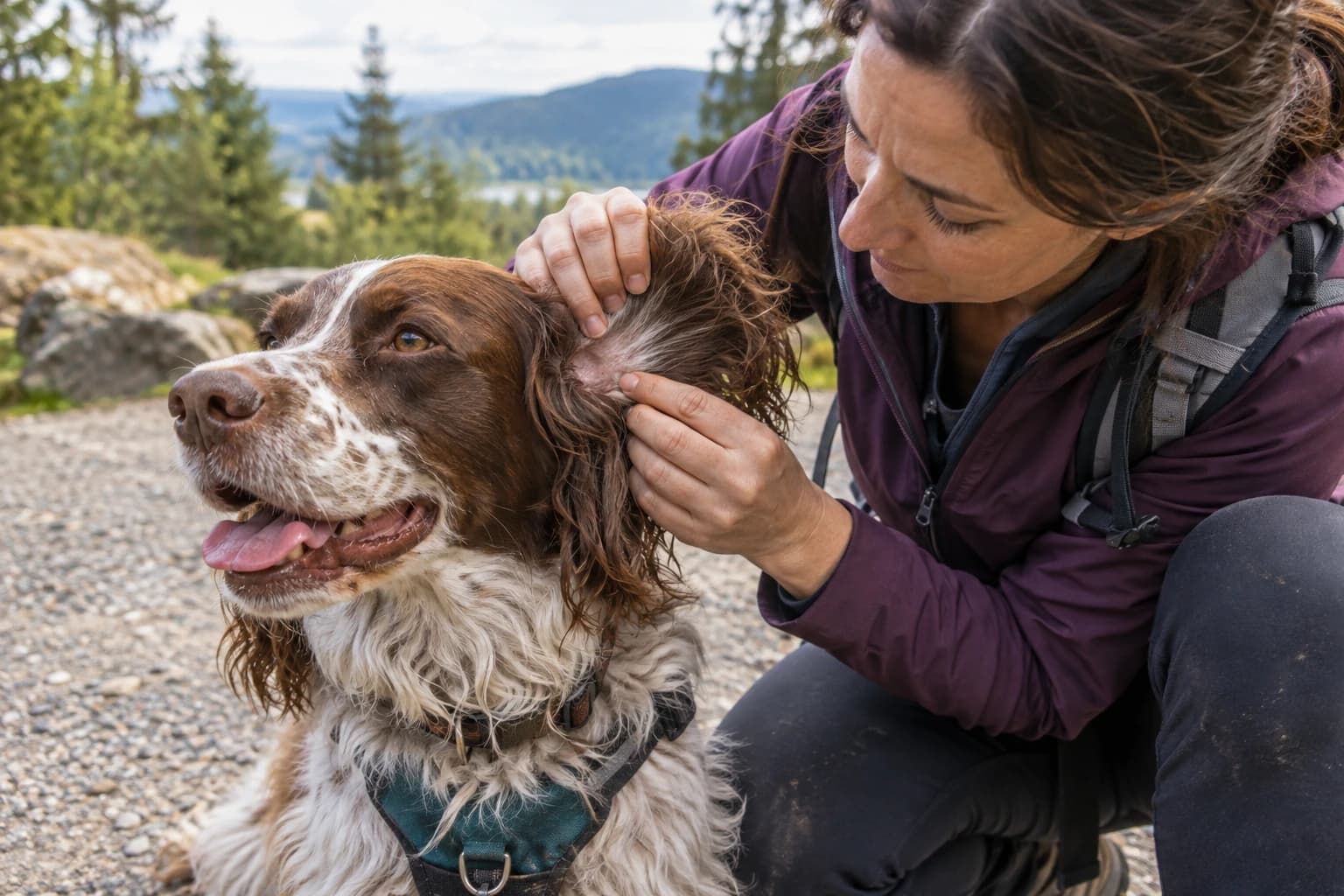
Adult fleas are small, dark brown, and fast. They move through the fur and jump rather than fly. You'll often find them at the base of the tail, behind the ears, in the armpits and groin, and along the spine.
Plenty of dogs have fleas without the owner ever seeing one. The easiest check is the flea dirt test:
- Brush or comb your dog over a white paper towel.
- Look for small black specks.
- Dampen the specks with a little water.
- If they smear reddish-brown, that's flea dirt (digested blood).
If you're not sure what you're looking at, or your dog's skin looks red, broken, or infected, have your vet take a look. Other things can cause itching, and it's worth knowing what you're treating.
Call your vet about treatment
Flea treatment is a vet conversation. There are oral, topical, and other options, and the right one depends on your dog's age, weight, health, lifestyle, and whether you have other pets. Your vet can also tell you how to treat every animal in the house at the same time, which matters because fleas move between them.
Some flea products made for dogs are dangerous to cats. If you have both, ask your vet before using anything.
What a bath can and can't do
A bath with a gentle dog shampoo will wash away flea dirt, drown some adult fleas, and make an itchy dog more comfortable. Use lukewarm water, lather well (fleas tend to run toward the head, so wet the neck first), and rinse thoroughly.
A bath does not protect your dog from the next flea, and it does nothing about the eggs and larvae in your house. Ask your vet whether bathing affects the timing of any treatment they recommend, since some products shouldn't be applied right before or after a bath.
Flea combing
A fine-toothed flea comb is one of the most useful tools you can own. While you're dealing with an infestation, comb daily:
- Work from head to tail in small sections.
- Spend extra time on the tail base, armpits, and belly.
- Dip the comb in soapy water between strokes to drown what you catch.
Combing tells you whether things are getting better, and it catches a new problem early once they're gone. Most dogs enjoy the attention, too, so it can be a nice quiet few minutes together while you both get through this.
Treat your home
Most of a flea problem lives in the environment, not on the dog. Eggs fall off into bedding, carpets, and furniture, and they keep hatching for weeks. If you skip this step, the fleas come back.
- Wash your dog's bedding, and your own if your dog sleeps with you, in hot water.
- Wash throw rugs, blankets, and couch covers.
- Vacuum carpets, upholstery, under furniture, and along baseboards. Empty the vacuum outside right away.
- Steam clean carpets and upholstery if you can.
- Keep up frequent vacuuming and bedding washes for the next several weeks.
If the fleas keep coming back despite all this, or you live in shared housing where other animals are involved, talk to your vet and consider a pest control professional.
Skin care afterward
Scratching can leave behind hot spots, irritated or broken skin, and sometimes infection. A gentle bath and careful handling help with comfort, but open sores, spreading redness, hair loss, or a bad smell are reasons to see your vet.
Grooming appointments and fleas
If you know or suspect your dog has fleas, please tell me before the appointment. There's no judgment at all, I just want to plan for it so I can make your dog as comfortable as possible. During a groom I see and handle every part of your dog's coat and skin, so I'll let you know if I spot fleas, flea dirt, or irritated skin, and you can follow up with your vet.
Prevention
Fleas aren't only a summer problem, and they can survive indoors. Ask your vet about ongoing prevention that fits your dog and your household. Regular brushing and grooming won't prevent fleas on their own, but they help you notice them early, before a few fleas turn into an infestation. It can take a few weeks to fully get on top of fleas, so be patient with yourself. Your itchy dog will be back to their happy self soon.
If you're in the East Bay and want help getting your dog comfortable again, get in touch.