Pet Health
Skunked Dog? What to Do Right Away
What to do in the first few minutes after your dog meets a skunk, when to call the vet, why tomato juice disappoints, and how to use the peroxide, baking soda, and dish soap mixture safely.
Nat · September 7, 2026 · 5 min read
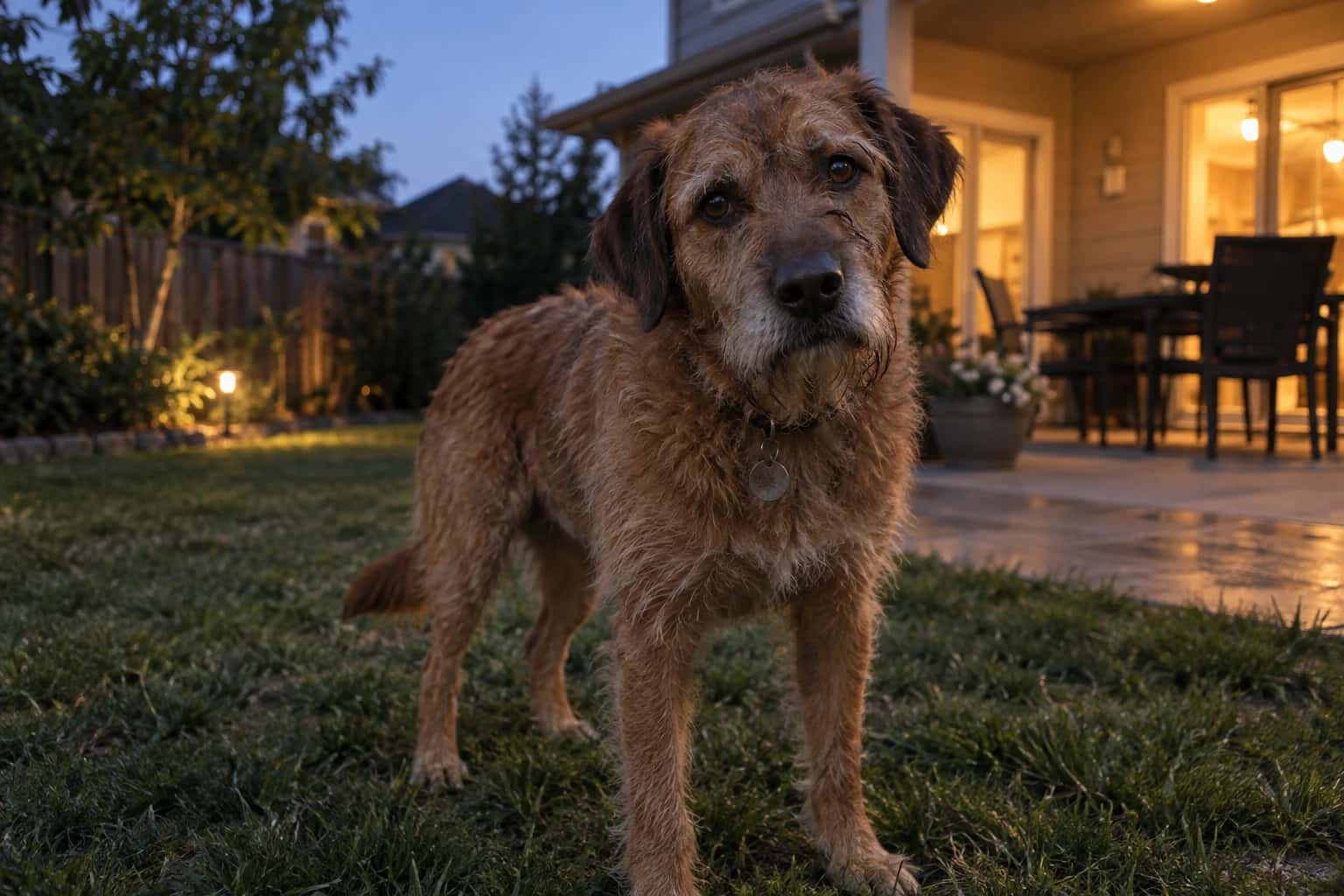
Late summer and fall is skunk season. There are plenty of them around the East Bay, in the hills and in ordinary backyards, and they're out and about at dusk and through the night, which is exactly when a lot of us let the dog out one last time. You open the back door, there's a yelp and a rush of that smell, and your dog comes back looking miserable and very confused.
Take a breath. It's awful, but it's manageable, and there's a clear order to handling it.
First, keep your dog outside
Skunk spray is an oily substance, and it transfers to everything it touches. If your dog runs through the house and rolls on the couch or your bed, you'll be cleaning for days. Keep them outside or in a garage or laundry area you don't mind getting smelly, and put on old clothes and gloves before you handle them.
Check the eyes
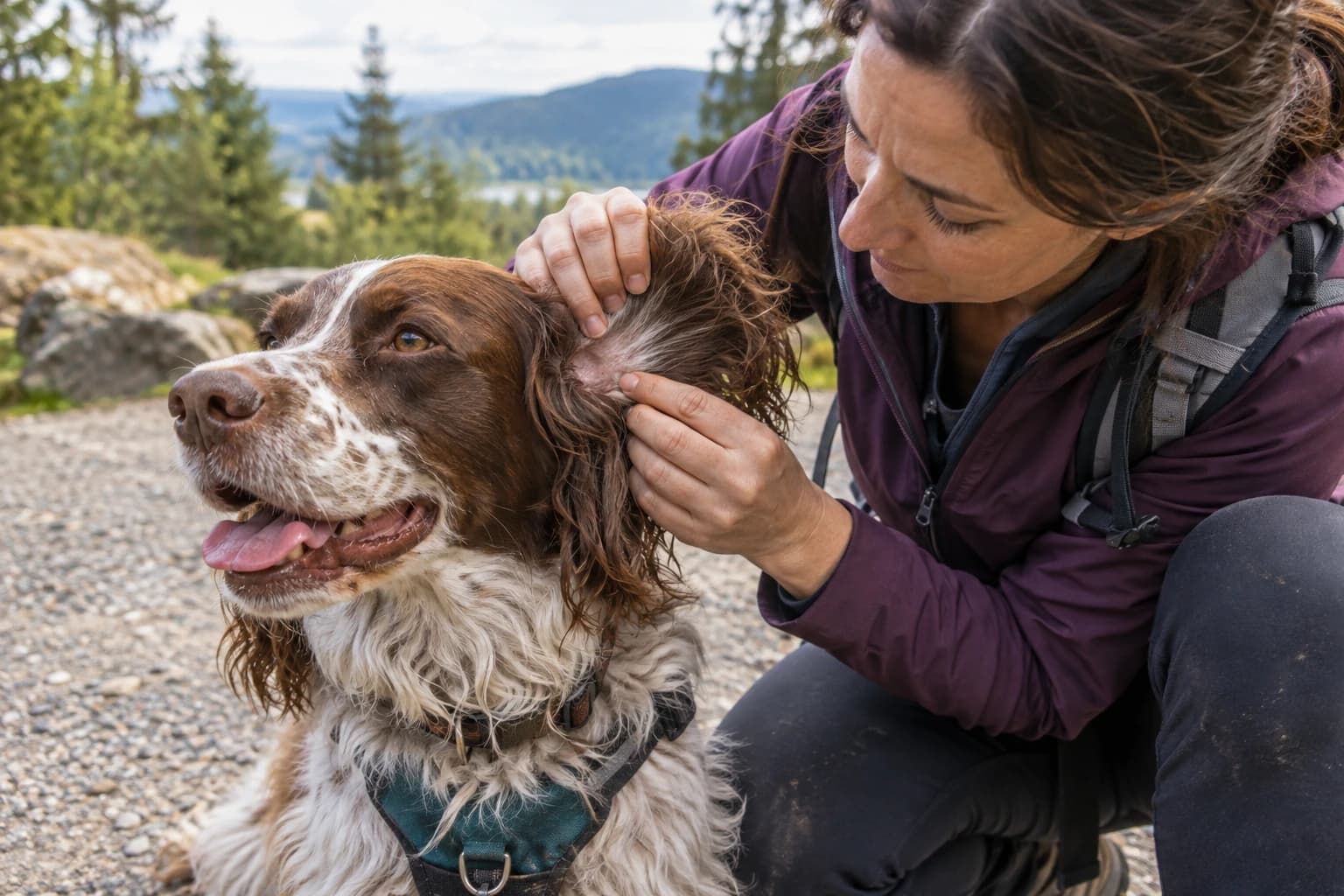
Dogs often get sprayed in the face because they were nose to nose with the skunk. The spray stings, and dogs who got it in the eyes may squint, paw at their face, rub their head on the ground, or have red, watery eyes.
If the eyes look red or irritated, gently flush them with plenty of cool or lukewarm clean water. A cup, a squeeze bottle, or a slow trickle from a hose on the gentlest setting works. Hold your dog's head steady and let the water run across the eye from the inside corner outward.
When to call your vet
Call your vet if:
- The eyes are still red, squinty, or watery after flushing
- Your dog has any bites or scratches, since skunks can carry rabies and any wound from a wild animal needs a vet's attention
- Your dog is vomiting, drooling a lot, or seems unwell
- In the following days they seem weak or tired, have pale gums, or their urine looks dark
That last one is rare, but a large dose of spray can occasionally cause a problem with red blood cells, so it's worth knowing the signs. Small dogs and dogs who took a heavy spray close up are the ones to watch most closely. If you can't reach your vet, an emergency vet can advise you.
Why tomato juice doesn't really work
Tomato juice is the remedy everyone has heard of, and it's a lot of effort for very little. It doesn't break down the compounds that make the smell. What usually happens is that your nose gets tired of the skunk smell after a while, and the tomato smell sits on top, so it seems better for an hour. Then the dog dries off and the skunk smell is right back. It also stains light coats pink.
The peroxide, baking soda, and dish soap mixture
The mixture that's widely recommended uses ingredients you may already have at home. The commonly published version is:
- 1 quart of fresh 3% hydrogen peroxide (the ordinary drugstore kind, nothing stronger)
- 1/4 cup of baking soda
- 1 to 2 teaspoons of liquid dish soap
It works because it chemically changes the smelly compounds rather than covering them up. It also needs care:
- Mix it fresh and use it right away. It loses strength quickly.
- Never store it or put it in a closed container. The mixture releases gas, and a sealed bottle can burst.
- Keep it out of the eyes, nose, and mouth. Don't pour it over your dog's head. For the face, use a damp washcloth carefully around the muzzle and cheeks, well away from the eyes.
- It can lighten dark coats. Peroxide can leave black or brown fur with a reddish tinge. Use it where the spray actually hit rather than all over if you can.
- Don't leave it on too long. Work it into the dry coat with gloved hands, leave it for about five minutes, then rinse.
- Rinse very well. Rinse until the water runs clear and you can't feel any residue, then follow with a regular dog shampoo if you like.
Don't use it on broken or irritated skin, and stop if your dog seems uncomfortable. You may need to repeat it, since heavily sprayed dogs rarely come completely clean in one go.
What to expect afterward
Even after a good wash, you might notice a faint skunk smell for a while, especially when your dog gets wet. That's normal. The thick fur around the face and neck tends to hold on to it longest. Wash towels, collars, and anything else that touched your dog separately, and the harness may simply need replacing.
Preventing the next one
Skunks usually give a warning before they spray: stamping their feet, raising the tail, turning to face you. Most dogs ignore all of it. A few habits help:
- Turn on the yard light and take a quick look before letting your dog out after dark
- Keep your dog leashed on evening walks, particularly near brush and creeks
- Don't leave pet food or open trash outside
- Close off gaps under decks and sheds where skunks like to shelter
If you'd rather not do it yourself
A skunked dog is hard to wash at home, especially a big or fluffy one, and it's not always easy to know when you've got it all out. De-skunking is one of the services I offer. If you're near Pinole and need a hand, get in touch, and put an old towel or blanket down in the car for the ride over.