Pet Health
Spring Pollen and Itchy Paws: Helping Your Dog Through Allergy Season
How to spot seasonal allergies in your dog, simple ways to rinse pollen off paws and coat at home, and when the itching needs a vet.
Nat · March 23, 2026 · 5 min read
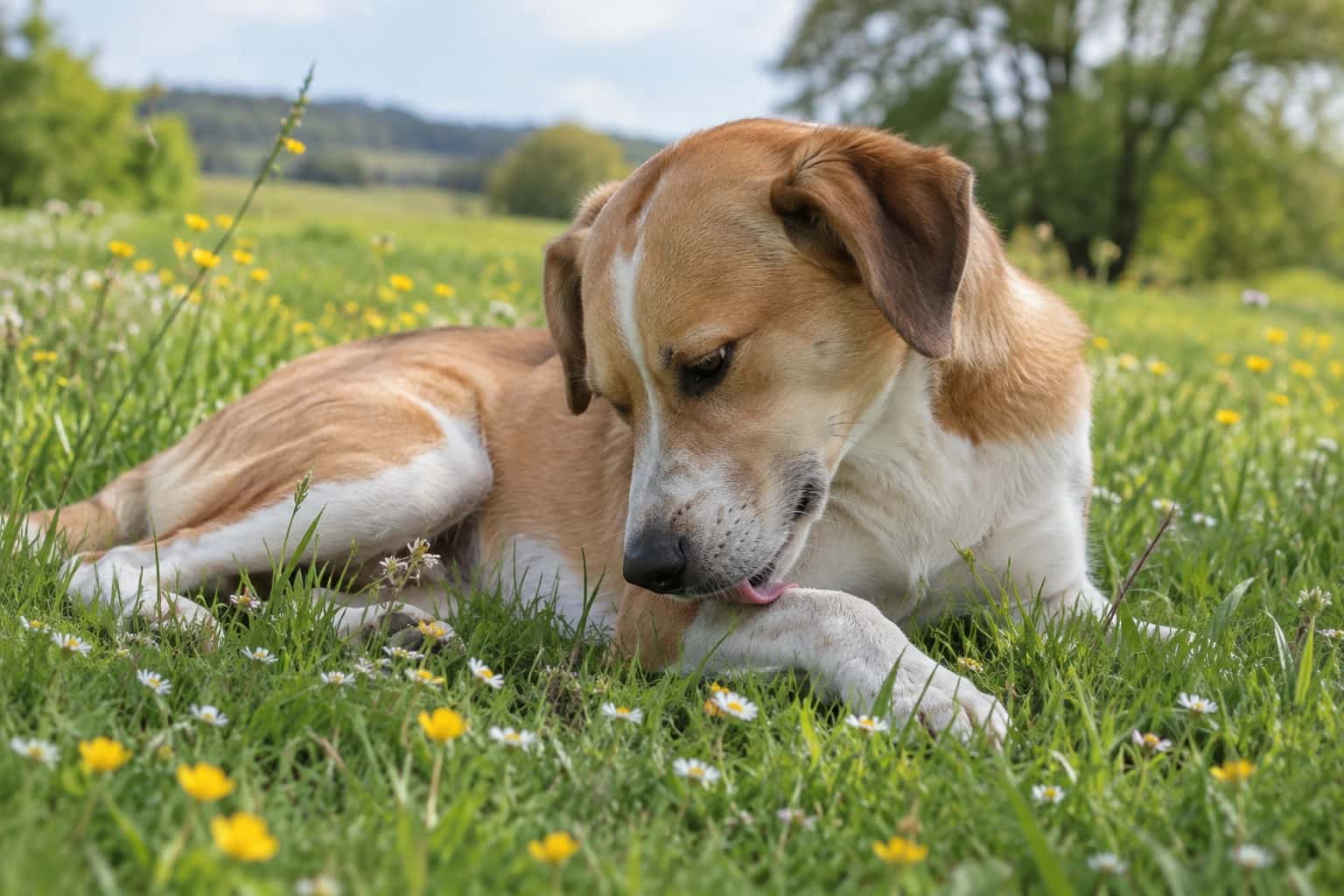
Spring in the Bay Area starts early. Trees begin releasing pollen in late winter, grasses follow, and the season can run into early summer. The hills go green, everything blooms, and a lot of dogs start licking their feet at night.
Dogs get seasonal allergies too, and they tend to show it differently than we do. Instead of sneezing, most dogs itch. Pollen lands on their coat and paws every time they go outside, and for a sensitive dog that means weeks of discomfort. You can't keep pollen out of their world, but you can cut down how much of it stays on them.
Signs your dog may have seasonal allergies
Watch for itching that shows up or gets worse at the same time each year:
- Licking or chewing the paws. Often both front feet, sometimes all four. You may notice reddish-brown staining on light-colored fur from the saliva.
- Scratching at the sides, armpits, or behind the ears.
- Chewing at the legs, flanks, or base of the tail.
- Rubbing the face on the carpet, furniture, or your legs.
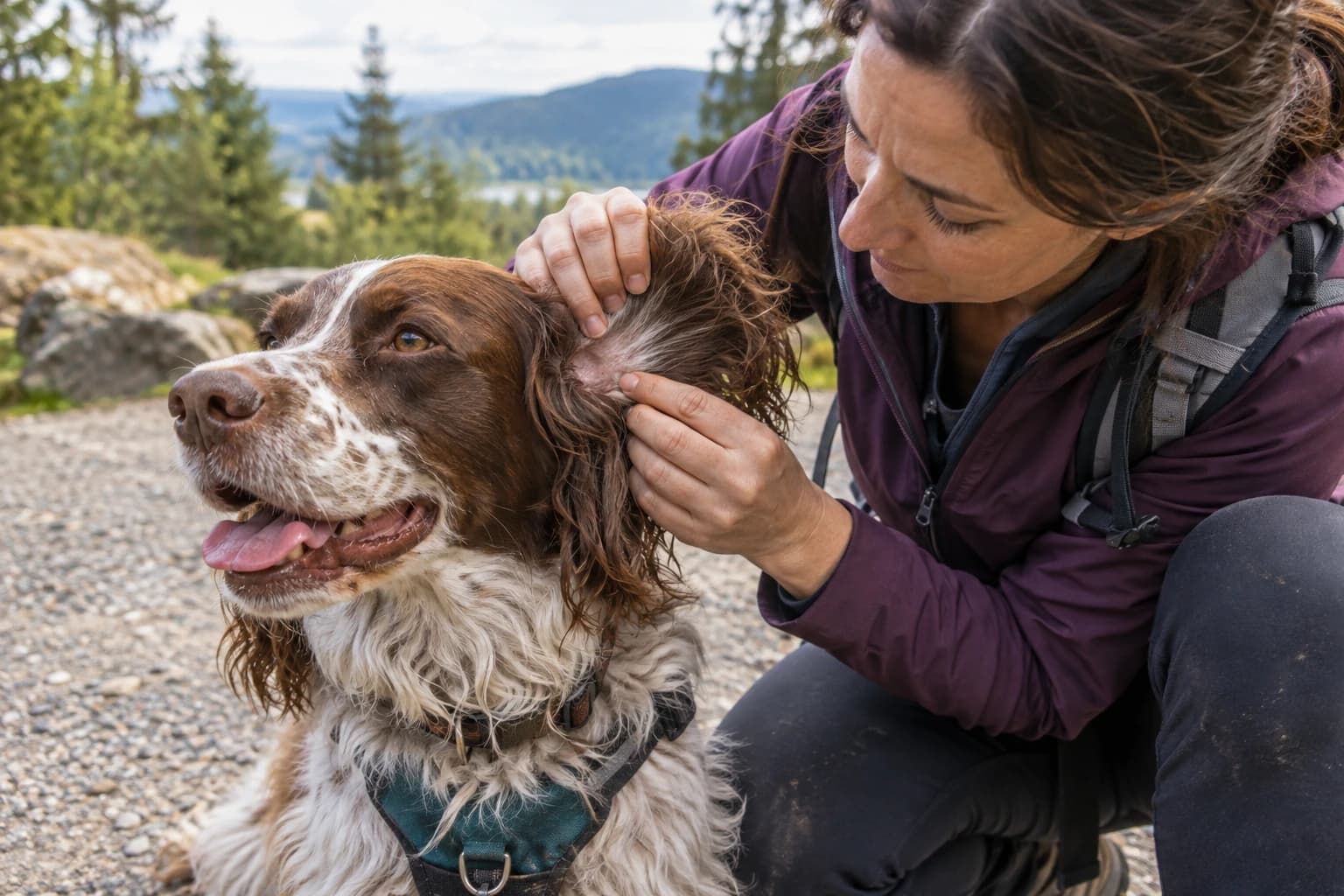
- Ear trouble: head shaking, scratching at the ears, redness inside the ear flap, or a smell.
- A red belly or redness in the armpits and between the back legs, where the hair is thinner.
- Watery eyes in some dogs.
These signs can also come from fleas, food allergies, or skin infections, so a pattern that lines up with spring is a clue, not a diagnosis. Your vet can sort out which it is.
Wipe paws and belly after walks
Pollen collects on the parts of your dog that brush through grass: the feet, legs, belly, and chest. A quick wipe when you come inside removes a lot of it before it gets rubbed in or tracked onto the bed.
Keep a damp cloth or a soft towel by the door. Wipe each paw, including between the toes and pads, then the lower legs and belly. Plain water works fine. Dry the feet afterward, especially between the toes, since damp skin that's being licked can get irritated. If your dog loves rolling in the grass, give the back and sides a pass too.
On high pollen days, shorter walks on pavement rather than through tall grass and open fields can help a very itchy dog.
Regular baths rinse pollen away
A bath is the most thorough way to get pollen off the coat and skin. During allergy season, many itchy dogs feel better with more frequent baths than usual. How often depends on your dog's skin and coat, so check with your vet if you're thinking about bathing more than every week or two.
Use a gentle dog shampoo. An oatmeal shampoo is a good choice for itchy skin, since it's soothing and mild. Skip anything heavily scented. Work the lather down to the skin, let it sit for a few minutes, and then rinse thoroughly. Leftover shampoo can make itchy skin worse, so rinse until the water runs completely clear.
If your vet has prescribed a medicated shampoo, follow their instructions for that instead.
Wash the bedding
All the pollen your dog carries in ends up where they sleep. Wash your dog's bed covers and blankets weekly during the worst of the season, in hot water if the fabric allows. If your dog sleeps on your bed or the couch, a washable throw that you can put in the laundry often makes this easier. Vacuuming the rugs and furniture where your dog lies helps too.
Consider a shorter trim for thick, feathered coats
Dogs with long feathering on the legs, belly, and chest collect pollen like a mop. Setters, spaniels, Golden Retrievers, and many doodles and long-coated mixes come in from a walk carrying a lot of the outdoors with them.
A tidier trim on the feet, legs, and belly for the spring months can make a real difference. There's less hair to trap pollen, wiping down after a walk is quicker, and baths dry faster. Trimming the fur between the paw pads also helps you see the skin, so you'll notice redness sooner. This doesn't mean shaving a double coat. It's a neaten and shorten of the areas that drag through the grass.
When I groom a dog during allergy season, I pay attention to the skin under the coat and will let you know if I see redness or irritation that's worth mentioning to your vet. If your dog's coat could use a spring trim, book a groom before the season peaks.
When to see your vet
Some itching in spring is common. Call your vet if you notice:
- Itching that is constant, or keeps your dog (and you) up at night
- Broken skin, scabs, hot spots, or hair loss from scratching and chewing
- Red, swollen, or smelly ears, or ears with discharge
- Paws that are swollen, red between the toes, or have a bad smell
- Symptoms that come back every spring and get worse each year
Allergies that go untreated can lead to skin and ear infections, and those need proper treatment. Your vet can confirm what's causing the itching and put together a plan for managing it through the season. Please don't give your dog allergy medication or supplements without your vet's advice, even ones made for people.
Building a spring routine
If your dog itches every year, start the habits before it begins. Put a towel by the door in February, get the feet and belly trimmed in early spring, switch to a gentle shampoo, and add bedding to the weekly laundry. Make a note of when the itching starts and what it looks like, and bring that to your vet, since a clear record of the pattern is one of the most useful things you can give them.