DIY Grooming
A Practical Guide to Grooming Your Dog at Home
How to brush, bathe, trim nails, and care for ears and teeth between professional appointments, plus when to leave it to a groomer.
Nat · August 11, 2025 · 5 min read
Between professional appointments, you're the one keeping your dog's coat, nails, ears, and teeth in shape. That can feel like a lot, especially if you're worried about doing something wrong. With the right setup and a few basic techniques, you can do a good job of it. The aim isn't a salon finish. It's keeping your dog clean, comfortable, and mat-free, and home grooming is some of the best one-on-one time you'll spend together.
Set up your space
Pick a spot that's well lit and easy to clean, with a rubber mat so your dog doesn't slip. For small dogs, a sturdy table or counter gives you better control than the floor and is easier on your back. Never leave a dog alone on a raised surface.
Tools
You don't need much: a slicker brush, a metal comb to check your work, an undercoat rake if your dog has a double coat, nail clippers or a grinder with styptic powder on hand, dog shampoo, towels, round-tip scissors for tidying, dog ear cleaner, a dog toothbrush and toothpaste, and plenty of treats.
Before you start, run your hands over your dog's whole body and note any lumps, tender spots, or skin changes to mention to your vet. A walk and a potty break beforehand help too.
Brushing
Most people brush only the top of the coat, which is how mats form underneath. Line brushing gets down to the skin:
- Start at a back leg.
- Hold the hair up with one hand.
- Brush a thin layer down, working from the skin out.
- Move up in small sections.
- Run a metal comb through each section. If it snags, keep brushing there.
By coat type:
- Short coats (Labs, Beagles): a rubber curry brush, more often during shedding season.
- Long coats (Yorkies, Maltese): brush often, ideally daily, in small sections. Watch the armpits and behind the ears.
- Double coats (Huskies, Goldens): use an undercoat rake during shedding and work in layers.
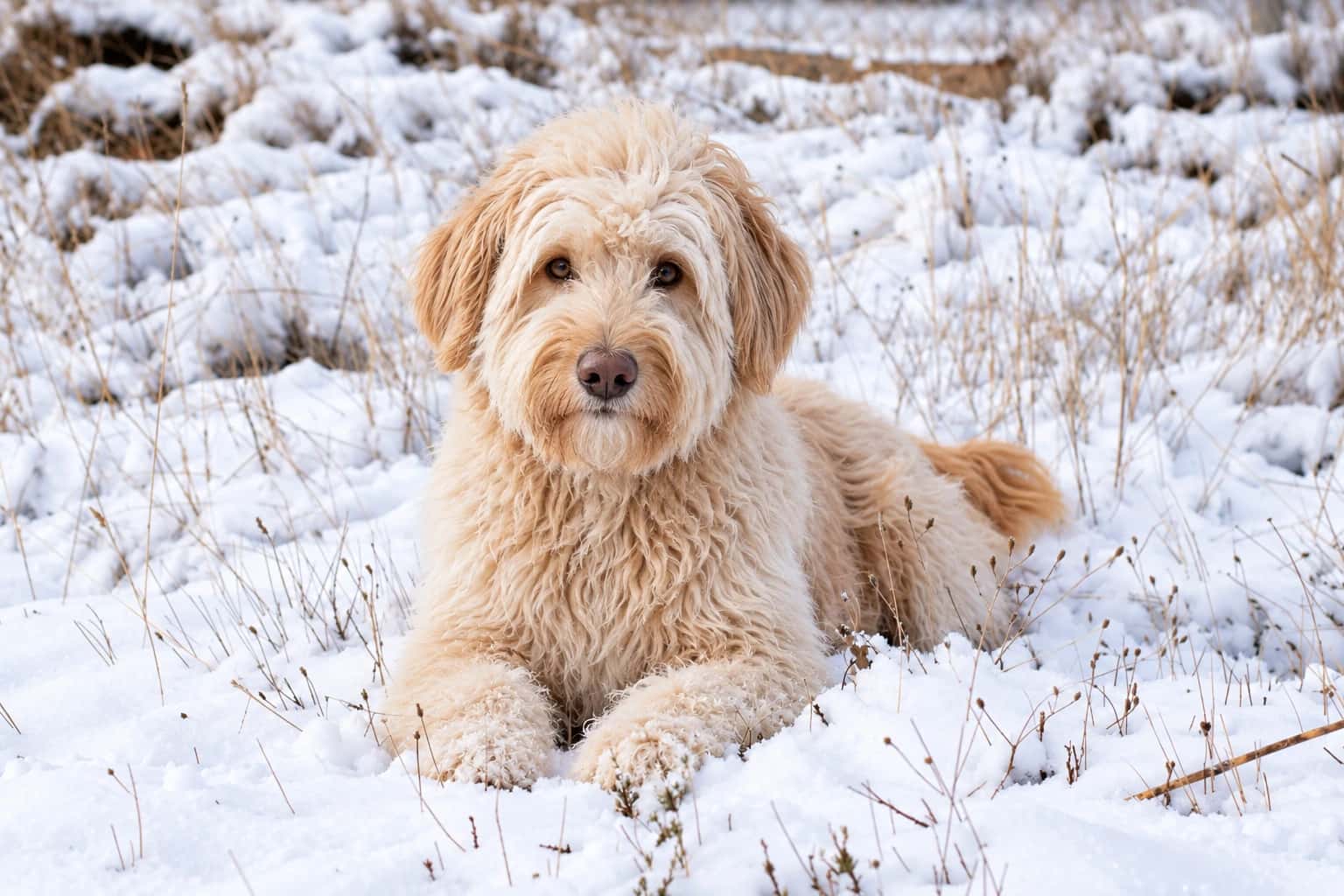
- Curly coats (Poodles, doodles): slicker brush followed by a metal comb, all the way to the skin. Brush before bathing as well as after.
Bathing
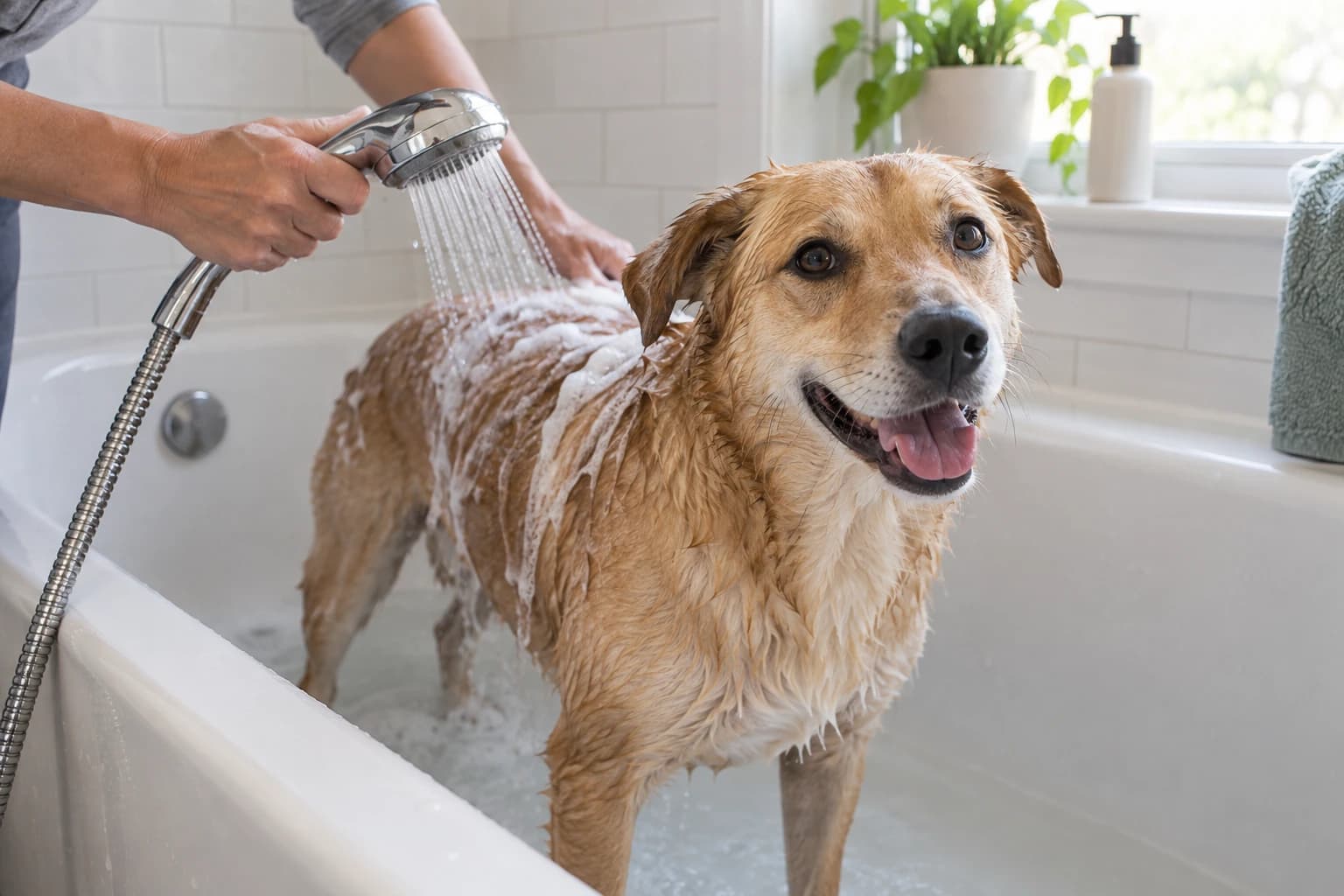
Brush thoroughly first. Water tightens mats, so bathing a matted dog makes the mats worse. Use lukewarm water, lather from the neck back, and wash the face last so soap stays out of the eyes. Then rinse, and rinse again, until the water runs clear. Leftover shampoo can irritate the skin.
To dry, squeeze and blot with towels rather than rubbing, which tangles longer coats. If you use a blow dryer, keep it on a cool or low setting, keep it moving, and brush as you go. Make sure the coat is dry all the way to the skin.
Nails
Lots of owners are nervous about nails, and that's understandable. Nobody wants to hurt their dog. Going slowly and taking off a little at a time is the answer. The quick is the blood vessel inside the nail. On light nails you can see it as a pink area; on dark nails you can't, so trim tiny amounts at a time.
Hold the paw firmly but gently, trim a small amount from the tip, and reward. One paw a day is fine if that's all your dog will tolerate. If you nick the quick, press styptic powder on it. If your dog hates clippers, a grinder or a scratch board they can file their own nails on may go better.
Face
Only trim what's getting in the way, like hair poking into the eyes. Use round-tip scissors, point them away from the eyes, work in good light, and have someone help hold your dog. If you're unsure, leave it for your groomer. Wipe tear stains and food from the beard regularly and check under the chin for mats.
Ears
Check the ears weekly. Clean the outer ear with a dog ear cleaner and a cotton ball. Don't push cotton swabs into the ear canal. Dry the ears after baths and swimming.
Redness, swelling, discharge, a bad smell, or a lot of head shaking or scratching are reasons to see your vet rather than keep cleaning at home.
Teeth
Brushing daily is ideal, but a few times a week still helps. Use dog toothpaste only, since some human toothpaste contains ingredients that are harmful to dogs. Dental chews can help, but they don't replace brushing or the dental care your vet recommends.
Common problems
Your dog won't stay still. Keep sessions short, use better treats, try a lick mat, and exercise them first. Be patient with both of you. You're learning together, and it gets easier.
You can't get the mats out. Don't force it or try to cut them out with scissors. It's easy to cut the skin. Mats close to the skin usually need to be shaved out by a groomer, and a shorter cut while the coat grows back is a sensible reset.
A simple routine
A simple rhythm works for most dogs: a quick brush and a check of eyes and paws most days, a thorough brush plus a look at nails and ears once a week, and baths and trims as needed.
What to leave to a groomer
- Mats close to the skin
- Full haircuts and breed-specific styles
- Dogs who snap or panic when handled
- Anal glands
- Anything that looks like a medical problem, which should go to your vet
Knowing when to hand something off is part of taking good care of your dog, not a sign you've fallen short.
If you're in the East Bay and want help keeping your dog's coat in shape between home sessions, get in touch.