Seasonal Care
Seasonal Grooming: Summer vs. Winter Coat Care for Dogs
Even in the East Bay's mild climate, your dog's coat changes through the year. Here's how to adjust brushing, bathing, and trims for summer and winter.
Nat · September 8, 2025 · 5 min read
The East Bay doesn't have extreme seasons, but your dog's coat still changes through the year, and so does what it needs from you. A few small adjustments can keep your dog comfortable whether it's a hot September afternoon or a damp January morning. How much changes depends mostly on coat type.
Know your dog's coat type
Double-coated breeds like Huskies, Golden Retrievers, and German Shepherds have a dense undercoat under longer guard hairs. The undercoat thickens for colder months and sheds heavily as days get longer. The guard hairs help protect the skin from sun and rain.
Single-coated breeds with continuously growing hair, like Poodles, Maltese, and Yorkies, don't go through a big seasonal shed. Their hair keeps growing year-round, so they depend on regular trims to stay comfortable, and you have more freedom to change their length with the seasons.
Summer
Managing the shed
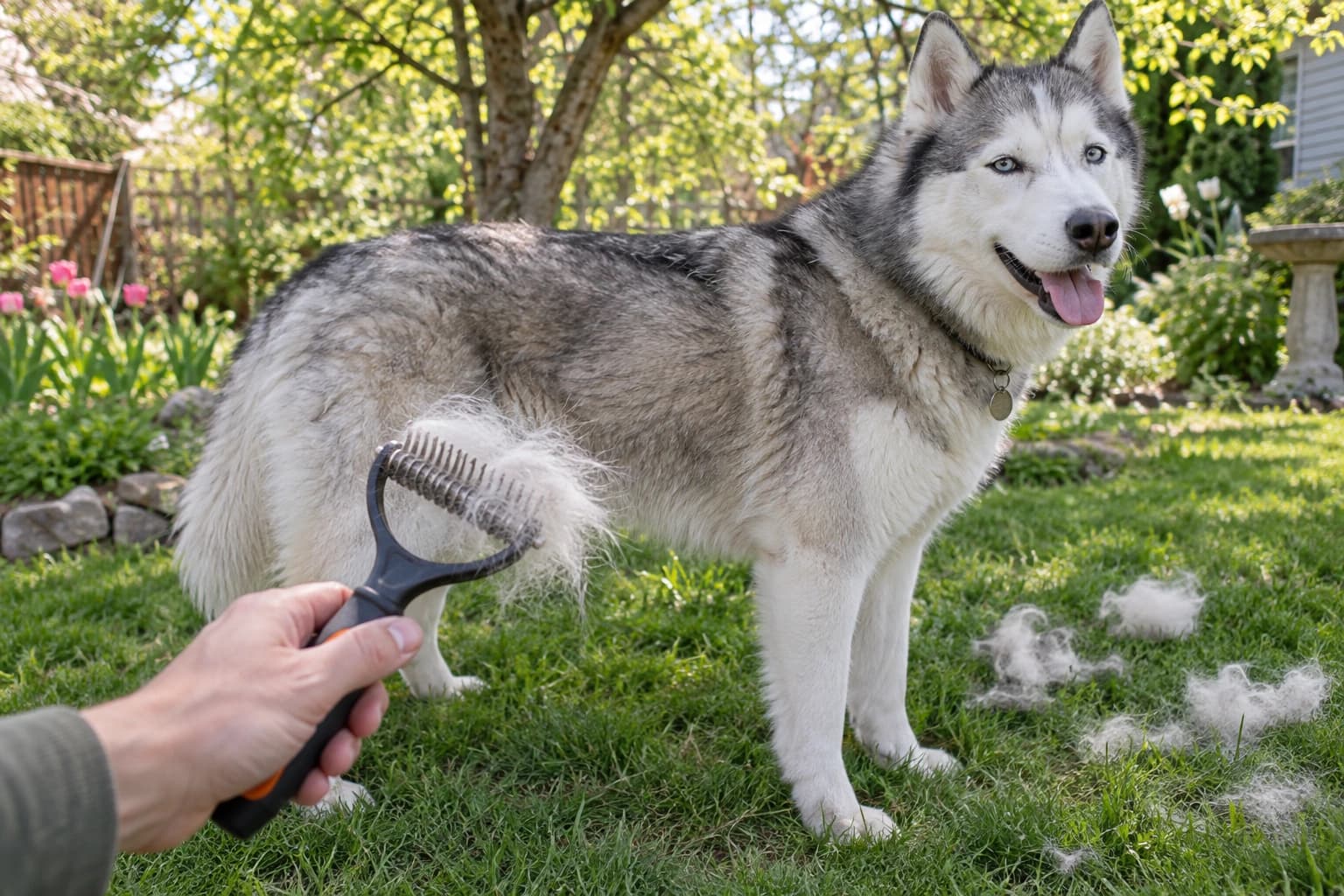
For double-coated dogs, spring and early summer bring the big shed, when it feels like there's more fur on the floor than on the dog. It's normal, and your dog will feel a lot lighter once the old undercoat is out. To stay on top of it:
- Brush daily during peak shedding, using an undercoat rake or de-shedding tool
- Consider a professional de-shed, which uses bathing and high-velocity drying to loosen and remove the dead undercoat
- Keep the guard hairs intact
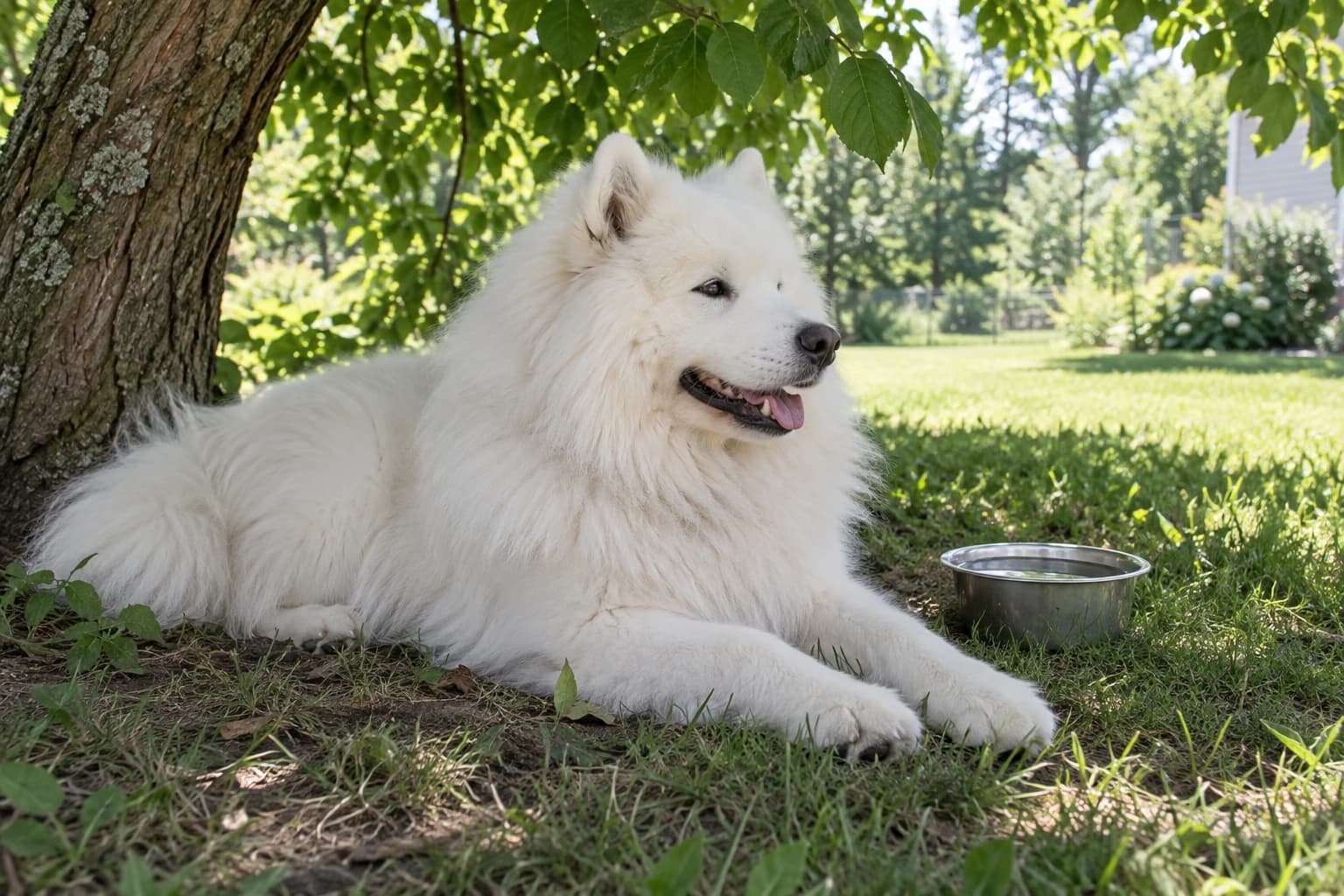
When it's hot, it's natural to want to shave a fluffy dog to help them cool off, and it comes from a caring place. Still, I generally don't recommend shaving double-coated dogs. The coat helps insulate against heat as well as cold, and shaving can leave skin exposed to the sun. In some dogs it also grows back unevenly. Removing the loose undercoat usually does more for comfort.
Length
- Long-haired, single-coated dogs can go shorter for summer. A shorter trim is easier to keep clean and tangle-free.
- Short-coated dogs still shed and still benefit from regular brushing.
- Light-skinned or very short-coated dogs can sunburn. Ask your vet about sun protection if your dog spends a lot of time outside.
Summer problems to watch for
Hot spots. Heat and trapped moisture make irritated skin more likely, and they can hide under mats or thick coat. Dry your dog thoroughly after baths and swims, and see your vet for any red, raw, or oozing patch.
Fleas and ticks. Check your dog regularly, especially after hikes, and talk to your vet about prevention.
Foxtails. These grass seeds are common in the East Bay in late spring and summer. Check between toes, in ears, and around the face after walks. Keeping the fur between paw pads trimmed makes them easier to spot. If you think one has gone into an ear, nose, or paw, see your vet.
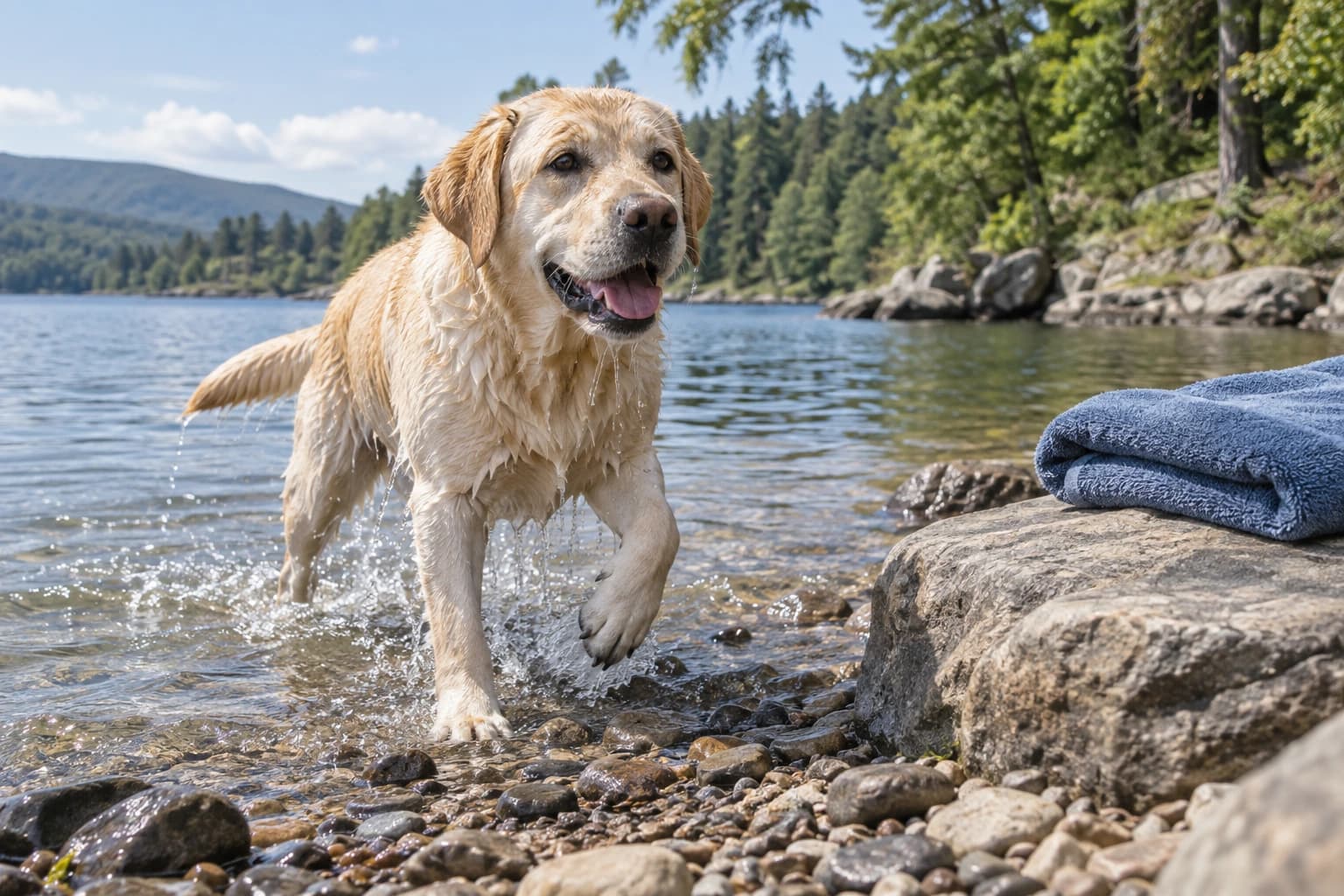
Swimming. Pool, lake, and ocean water can all leave the coat and skin dry. Rinse your dog with fresh water afterward and dry the ears well, since moisture left in the ears can contribute to irritation.
Nails and paws. More time outdoors can change how nails wear, so keep checking them. Hot pavement can burn pads, so walk on grass or at cooler times of day.
Winter
Coats and length
Coats tend to fill in as days get shorter. For dogs that live partly outside or feel the cold, leaving a bit more length through winter makes sense. Focus on keeping the coat clean and tangle-free rather than on style.
Don't skip grooming because it's cold. Damp weather and sweaters both cause mats, especially in curly and long coats, and a matted coat doesn't keep a dog warm the way a healthy one does.
Winter problems to watch for
Mud. Rainy months mean dirty paws and legs. Keeping the fur on the feet and legs tidy and doing regular sanitary trims makes cleanup much easier. A towel by the door helps.
Dry skin. Indoor heating can dry out skin. Bathing a little less often and using a moisturizing dog shampoo can help. Ask your vet before adding supplements, and see them for flaking or itching that doesn't improve.
Drying. Always dry your dog completely after a bath. A damp coat in cold weather is uncomfortable and more prone to matting.
Snow trips. If you take your dog to the mountains, snow can ball up between the toes. Trim the fur between the pads and rinse and dry paws after walks, especially where roads have been salted.
Nails. Less time on rough ground can mean less natural wear, so nails may need trimming more often.
A rough calendar
- Spring: Start heavy brushing for double coats. Transition longer coats to a shorter summer length. Talk to your vet about flea and tick prevention.
- Summer: Keep up with brushing and trims. Check for foxtails, hot spots, and pests.
- Fall: Let coats that you want longer for winter start to grow. Do a final de-shed if your dog needs one.
- Winter: Keep appointments regular, focus on mat prevention, paws, and skin.
Treat this as a starting point. Our weather doesn't always follow the calendar, and you know your dog better than any calendar does. If they're panting more, seeking out cool floors, or curling up tighter at night, let that guide you.
Talking to your groomer
It's worth asking your groomer what length makes sense for the coming season, whether your dog's schedule should change, and what you can do at home between visits. A good groomer will be glad you asked.
If you're in the East Bay and want help adjusting your dog's grooming for the season, get in touch.