Grooming Tips
Dog-Safe Color: What It Is and Whether It Suits Your Dog
What pet-safe coat color actually is, which dogs it suits, how long it lasts, and when it's better to skip it and keep things simple.
Nat · July 27, 2026 · 5 min read
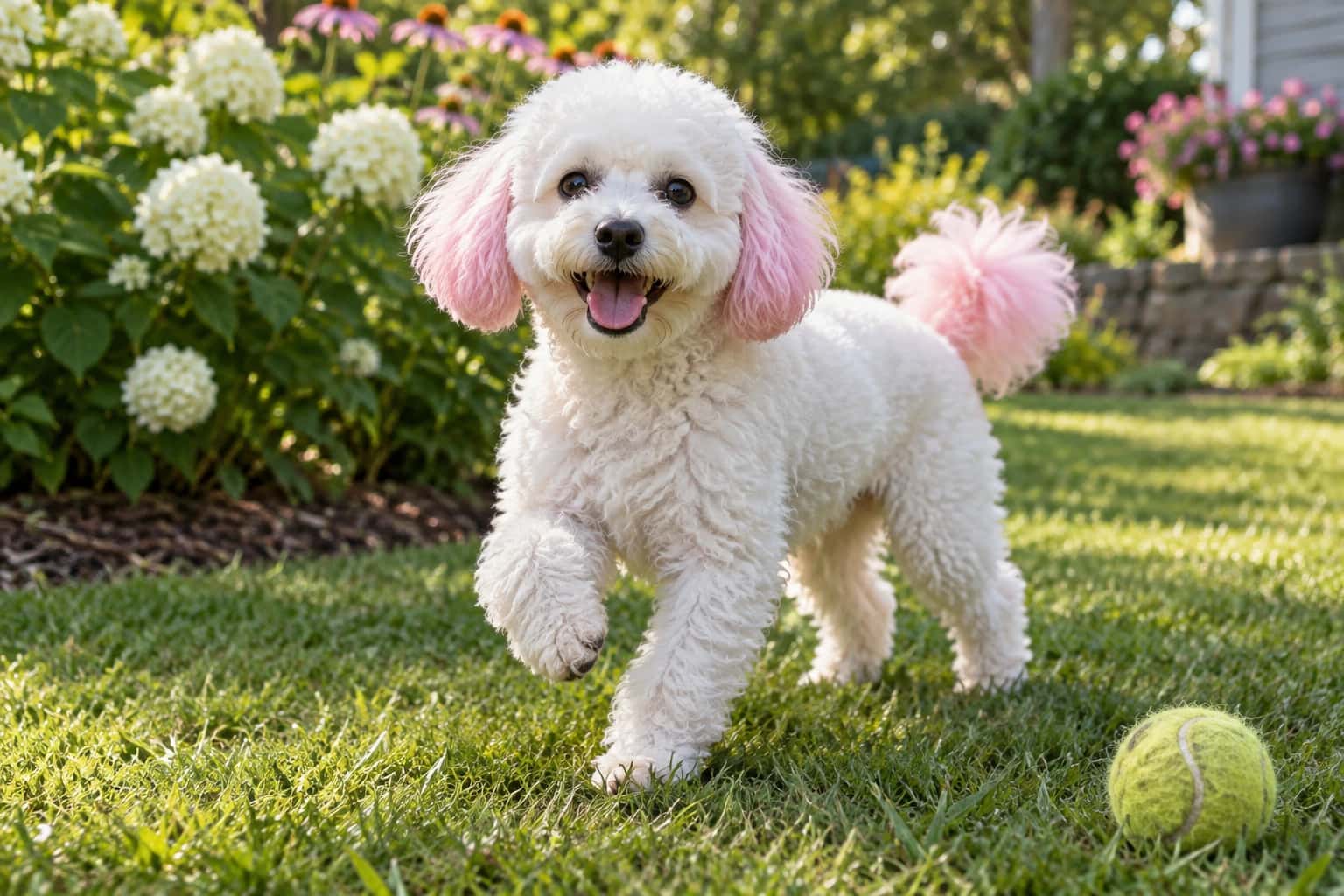
A pink tail for a birthday, or blue ears for a game day. Coloring a dog's coat can feel like a silly thing to want. It isn't. Done carefully, on the right dog, it's a sweet bit of fun that makes people smile on every walk. Done carelessly, it can irritate skin or turn grooming into something a dog dreads. Here's what I'd want you to know before you try it.
What dog-safe color is
Dog-safe color means dyes and temporary colors made specifically for use on pets. They're formulated for dog skin and coats, which are different from ours, and they're meant to be gentle and non-toxic if a dog licks a little of it.
Never use human hair dye on a dog. Many human dyes and bleaches contain chemicals that can burn or badly irritate a dog's skin, and dogs groom themselves with their tongues, so whatever goes on their coat can end up in their mouth. The same goes for food coloring, markers, craft paint and other household hacks you might see online. They can stain skin, irritate it, or simply not come out the way you hoped.
Pet-safe options generally fall into two groups:
- Temporary colors such as chalks, sprays and gels that sit on the surface of the hair and wash out with a bath or two.
- Semi-permanent dyes that soak into the hair and fade gradually over a number of weeks.
Which dogs it suits
The best candidates are dogs who already take grooming in stride. Color takes time: the coat has to be clean and dry, the color goes on section by section, it usually needs to sit for a while, and then there's rinsing and more drying. A dog who is relaxed on the table or the floor and happy to be handled will barely notice. A dog who finds a regular bath stressful will find this harder.
Good signs your dog is a fit:
- Healthy skin with no rashes, scabs, hot spots or flaking
- A coat in good condition, brushed out and free of mats
- Calm about being bathed, dried and handled
- Not bothered about staying still for a while with a few treats
Coat color matters too. Color shows brightest on white, cream and light coats. On dark or black coats it may barely show at all, or only appear as a tint in bright sunlight. It's worth having realistic expectations before you start.
How long it lasts
This depends on the product, the coat, and how often your dog is bathed or goes swimming.
- Temporary colors usually wash out with the next bath or two.
- Semi-permanent color typically fades over several weeks, faster with frequent baths.
- On very light coats, a faint tint can linger longer. It will always go eventually, and anything stubborn grows out and gets trimmed off at a later groom.
If you want color for one specific event, temporary is the easy choice. If you'd like something that lasts through a season, semi-permanent makes more sense.
Test first, always
Even pet-safe products can bother an individual dog, the same way a gentle soap can still irritate one person's skin. I like a patch-test mindset: try a small amount on a hidden spot, wait a day or two, and look for redness, itching or your dog licking at the area before doing anything bigger.
A few other ground rules:
- Keep color away from the eyes, nose, mouth and inside the ears.
- Don't apply it over broken, scabbed or irritated skin.
- Start small. A tail tip or ear fringes is a lovely first try.
- Don't let your dog chew or lick at fresh color while it's setting.
If you notice redness, swelling, hair loss or constant scratching afterward, wash the area with plain water and a gentle dog shampoo and call your vet.
When to skip it
Sometimes the right choice is to leave the coat as it is. I'd skip color if your dog:
- Has sensitive skin, allergies or a history of skin problems
- Is currently being treated for a skin or ear condition, or is on medicated baths
- Has any open sores, hot spots or recent surgery sites
- Gets anxious or panicky during grooming
- Is a young puppy or a frail senior
For young puppies, older dogs, or dogs with any health condition, check with your vet before trying color at all.
For anxious dogs especially, the extra time on the table isn't worth it. We work so hard to help nervous dogs feel safe during grooming, and I wouldn't trade any of that progress for a pink tail. If you still want something festive, a bandana, a bow, or nail polish made for dogs can be a much easier way to dress up.
Keeping it fun
Color is for us, not for the dog. They don't care what shade their ears are. What they notice is whether the experience was calm and comfortable, so their comfort sets the pace. If your dog is getting restless or unhappy partway through, it's fine to stop at one colored ear and call it a day. It'll still look cute.
Take lots of photos, enjoy the attention on your walks, and keep an eye on their skin for the next few days.
Dog-safe color is one of the services I offer, and I'm happy to talk through whether it's a good idea for your dog before we plan anything.