Breed Guides
The Best Grooming Services for Different Dog Breeds
What curly, double-coated, wire-haired, smooth, and toy breeds actually need from a groom, and how often.
Nat · May 5, 2025 · 5 min read

Every dog is their own little person, and their coat is part of that. A Poodle and a Pug need very different things from a groom, and knowing what your dog's coat needs is one of the kindest things you can do for them. Coat type decides most of it: how often your dog needs to be seen, what tools get used, and whether clipping is a good idea at all. Here is a breakdown by coat group.
Curly and long-haired coats
Breeds: Poodles, Doodles, Bichons, Maltese, Yorkies
These coats keep growing and mat easily, so they need the most regular care.
- A full haircut every 4 to 6 weeks
- Face, feet, and sanitary tidy-ups in between if you want to stretch the full groom
- Careful ear care, since hair grows inside the ear canal on many of these breeds
- Brushing at home, all the way down to the skin, several times a week
In my experience, the areas that mat first are behind the ears, the armpits, and wherever a collar or harness rubs. If you stretch the schedule, those spots are where it shows.
Double coats
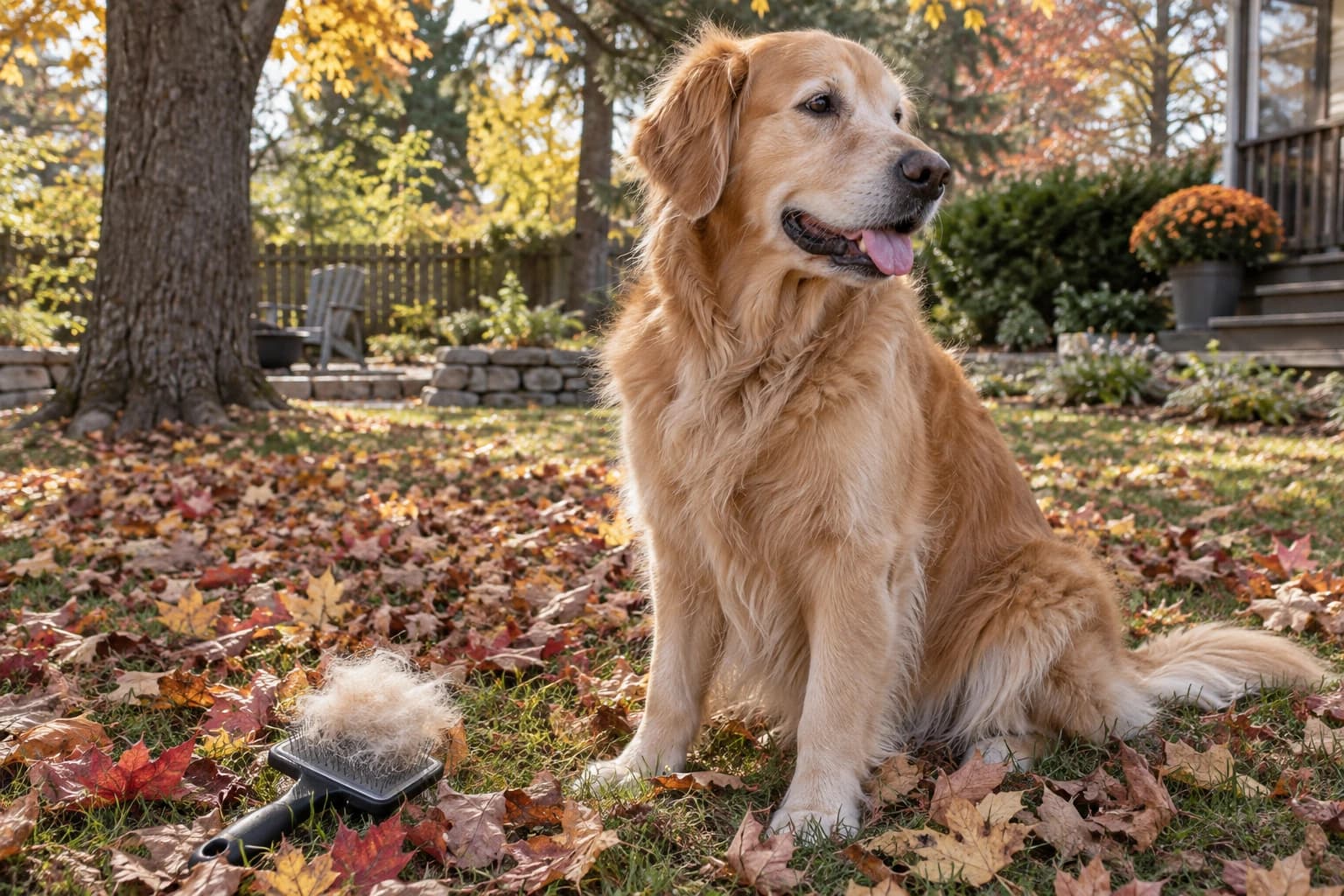
Breeds: German Shepherds, Huskies, Golden Retrievers, Corgis, Australian Shepherds
These dogs have a dense undercoat under longer guard hairs. The coat insulates against both cold and heat, and shaving it can damage how it grows back. What these dogs need is the undercoat removed, not the coat cut off.
- A de-shedding bath and thorough blow-out every 8 to 12 weeks
- Extra sessions during heavy seasonal sheds
- Undercoat raking and brushing at home
- Tidy trims on the feet, pads, and sanitary area
I understand the urge to shave a panting dog on a hot day. It comes from a good place. But if you want your Husky cooler in summer, a good de-shed does more than a shave.
Sporting breeds
Breeds: Cocker Spaniels, Springer Spaniels, Setters
- Regular ear care, because long, heavy ears trap moisture
- Trimming and thinning the feathering on legs, belly, and tail
- Neat, tidy feet
- A breed-style or practical pet clip, depending on how the dog lives
Wire-haired breeds
Breeds: Schnauzers, Wire Fox Terriers, Scotties, Airedales
Wire coats can be hand-stripped, which pulls out dead coat and keeps the harsh texture, or clipped, which is quicker but softens the coat over time. Clipping is fine for most pets. Either way, these dogs need:
- Beard and eyebrow shaping
- Leg furnishings trimmed and tidied
- Beards washed often, since they collect food and water
Smooth coats
Breeds: Pit Bulls, Boxers, Beagles, Boston Terriers, Pugs
Short coats still shed, sometimes a lot. They're low-maintenance, not no-maintenance.
- A bath and de-shed with a rubber curry brush
- Regular nail trims
- Skin fold cleaning and drying on wrinkly breeds
- Ear cleaning
Toy breeds
Breeds: Chihuahuas, Pomeranians, Papillons, Toy Poodles
- Gentle handling and warm water, since small dogs chill quickly
- Low heat when drying
- Detailed face and eye-area trimming
- Frequent nail trims
- Attention to teeth, which small breeds often struggle with (bring any concerns to your vet)
Doodles and mixed breeds
Doodle coats vary a lot, even within a litter. Some are curly like a Poodle, some are closer to a Retriever, and many are somewhere in between. I groom each one based on the coat in front of me rather than the label. The same goes for mixed breeds, who are some of my favorite dogs to work with: figure out the dominant coat type, then plan around that.
Matted coats
Mats happen to dogs with loving homes all the time, so please don't feel guilty if your dog's coat got away from you. When a coat is matted tight to the skin, brushing it out is painful for the dog. Sometimes the kind choice is a short clip and a fresh start, followed by a schedule that keeps it from happening again. The hair grows back, and your dog will feel so much better.
Adjusting through the year
- Spring: heavy shedding, so more de-shedding
- Summer: paw pad checks on hot pavement, extra ear drying for swimmers
- Fall: another shed for double coats
- Winter: dry skin and wet, muddy feet, so keep the feet trimmed
Building a plan
Tell your groomer how much brushing you can realistically do at home, how active your dog is, and any health concerns. A shorter cut on a busy family's Doodle is often better than a long style that mats in two weeks. There's no wrong answer here, just the one that keeps your dog comfortable and happy.
If you're in the East Bay and would like help working out a plan for your dog, I'd love to hear from you.