Home Care
Hosting Guests with Dog Allergies: Grooming and Home Care That Helps
What actually causes dog allergies, how bathing and brushing can lower allergen levels before guests arrive, and the home care that makes the biggest difference.
Nat · November 16, 2026 · 5 min read
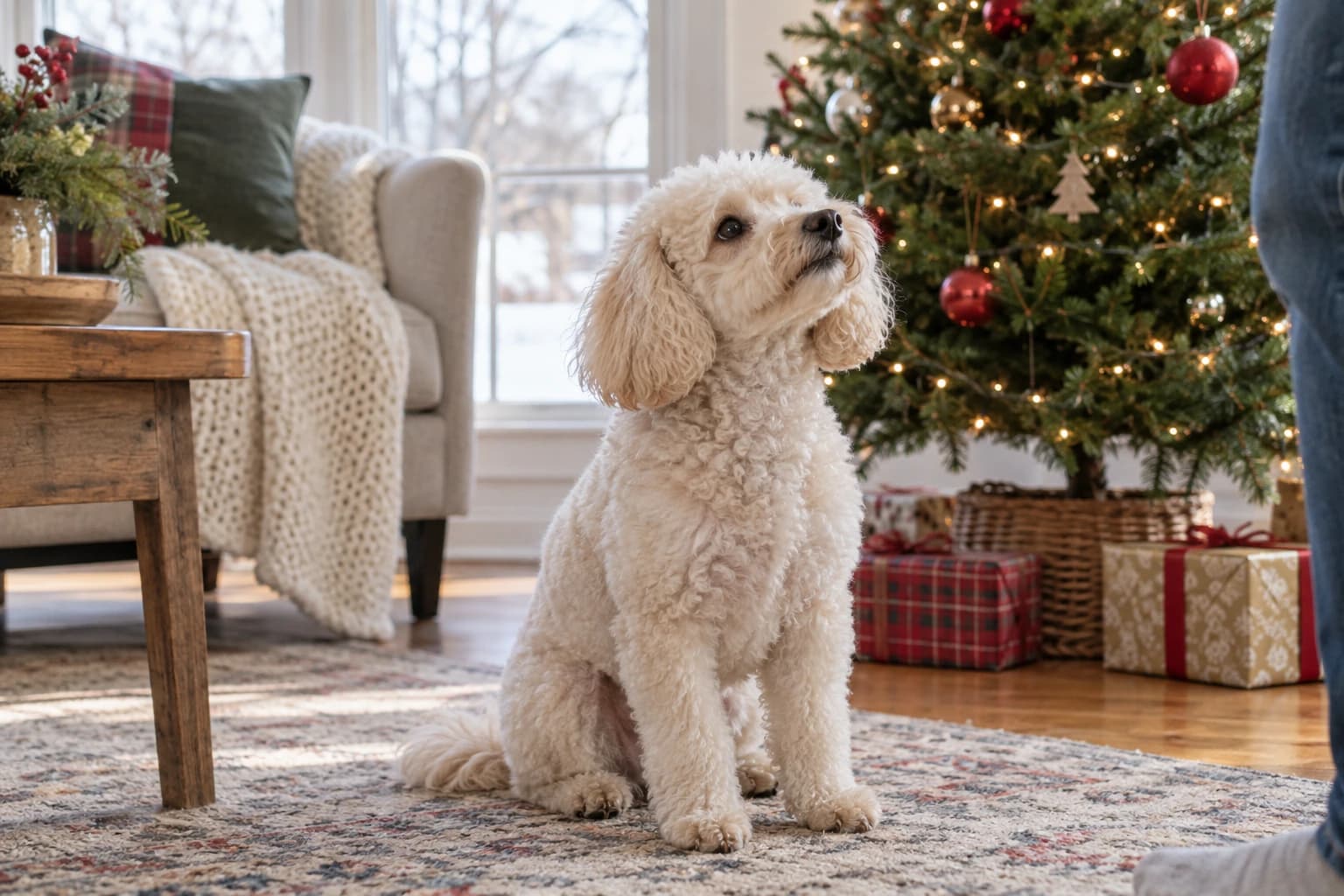
The holidays bring people together, and sometimes that includes a relative or friend who starts sneezing the moment they walk through your door. When your dog is family, it can feel awkward. You want your guest comfortable, and you don't want your dog treated like a problem to be managed. There's a fair amount you can do to make the house easier on an allergic visitor, and most of it is simple.
First, what you're actually up against.
It isn't really the hair
Most people think dog allergies come from fur. The proteins that trigger allergies actually come mainly from tiny flakes of skin, called dander, and from saliva. Some are also found in urine. Hair carries those allergens around the house, which is why shedding matters, but the hair itself isn't the main culprit.
That's also why there's no such thing as a truly hypoallergenic dog. Breeds that shed less, like Poodles and many doodles, may leave less hair on the couch, and some allergic people find they react less to certain dogs. Every dog still has skin and saliva, though, and every dog produces allergens. If a guest has been told a particular breed won't bother them, it's worth gently setting expectations.
Grooming can reduce allergens. It can't remove them. For someone with mild allergies, that reduction can make a visit much more pleasant. For someone with severe allergies or asthma, it may not be enough, and that's worth knowing before you plan an overnight stay.
Bathe a day or two before
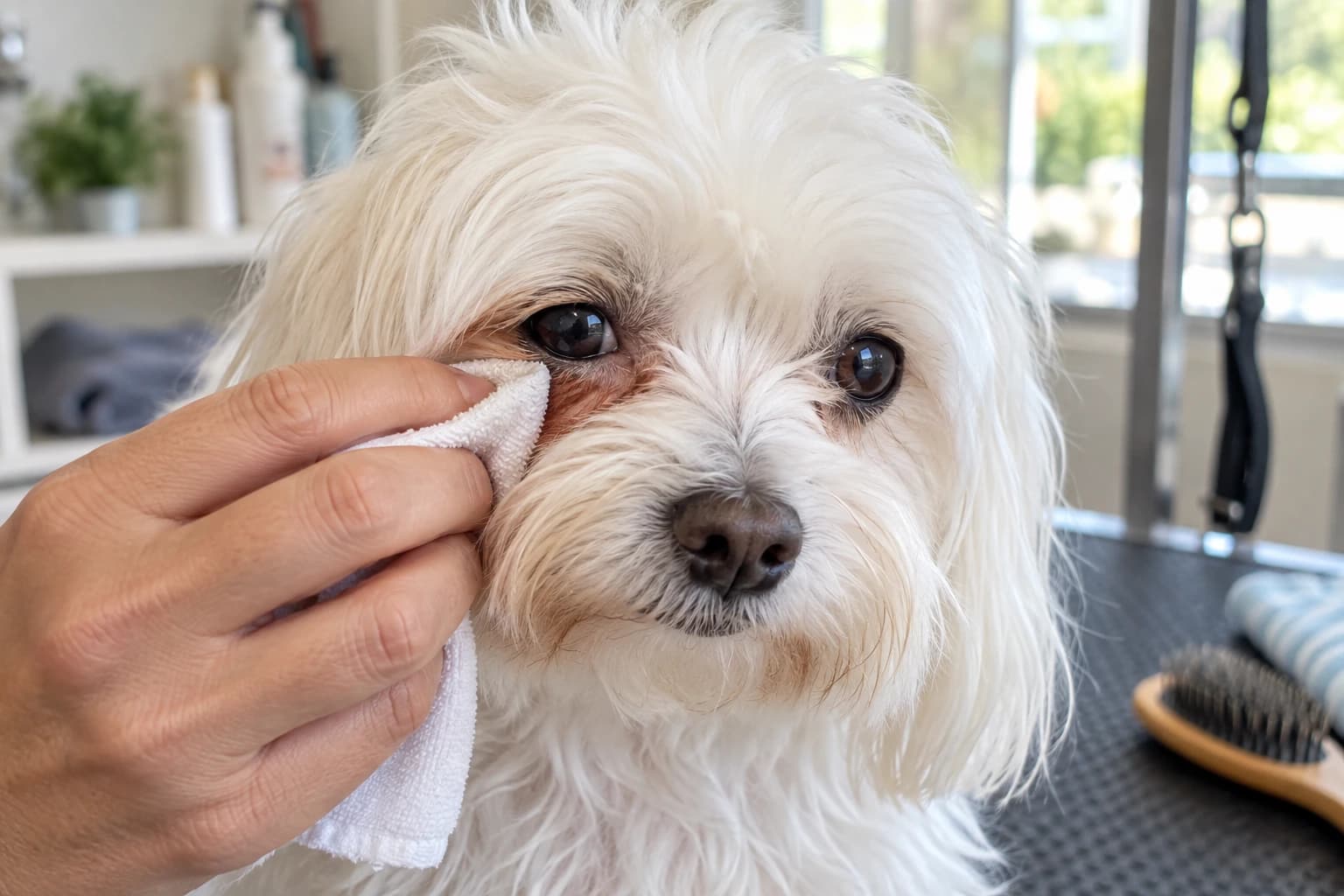
A bath washes away loose dander, saliva residue on the coat, and the dust and pollen dogs collect outside. Bathing a day or two before guests arrive gives you a cleaner dog without the damp-dog smell on the day itself.
A few things to keep in mind:
- Use a gentle dog shampoo and rinse very thoroughly. Leftover shampoo can irritate your dog's skin, and irritated skin tends to flake more.
- Dry your dog completely, especially in our damp winter months.
- Don't start bathing every few days in the weeks leading up. Too much bathing can dry out the skin, which can mean more flaking, not less.
If your dog already has dry or itchy skin, check with your vet about a bathing routine that suits them. An oatmeal bath can be soothing for some dogs, but itchy skin that doesn't settle deserves a vet visit.
Brush often, and do it outside
Regular brushing pulls out loose hair and dander before it ends up on your floors and furniture. In the week before a visit, brushing every day or two makes a real difference, particularly for dogs who shed.
Where you brush matters. Brushing indoors releases all of that into the air and onto every surface nearby. Take it outside to the yard, patio, or balcony when the weather allows.
And if you're the one with allergies, or if you're brushing on behalf of someone who is, ask a family member without allergies to handle it. The same goes for your guest. However much they adore your dog, the person with allergies is the last one who should be holding the brush.
For double-coated dogs going through a heavy shed, a professional deshedding treatment can remove a lot of loose undercoat at once. It won't make your dog allergen-free, but it does mean less hair drifting around the house for a while.
Clean the house, not just the dog
Allergens settle into fabric and dust, so the house matters as much as the dog.
- Wash your dog's bedding in hot water a few days before guests arrive, along with any blankets or throws your dog likes to lie on.
- Vacuum thoroughly, including under furniture and along baseboards. A vacuum with a HEPA filter traps fine particles better than one without.
- Wipe hard surfaces with a damp cloth rather than dusting, which just moves things around.
- Wash couch covers and cushion covers if your dog spends time on the furniture.
- Change or clean your HVAC filter if you have forced-air heating, since that system moves air through the whole house.
Give your guest a dog-free room
If your guest is staying overnight, the single most helpful thing you can do is keep the guest room completely off limits to your dog, ideally for a week or two before the visit. Shut the door, wash the bedding, vacuum, and don't let your dog nap in there even briefly. A room where your guest can sleep and breathe easily can make the difference between a nice visit and a miserable one.
A portable air purifier with a HEPA filter in that room can help as well.
During the visit
- Keep your dog off the couch or chair your guest is using.
- Encourage everyone to wash their hands after petting, and especially before touching their face.
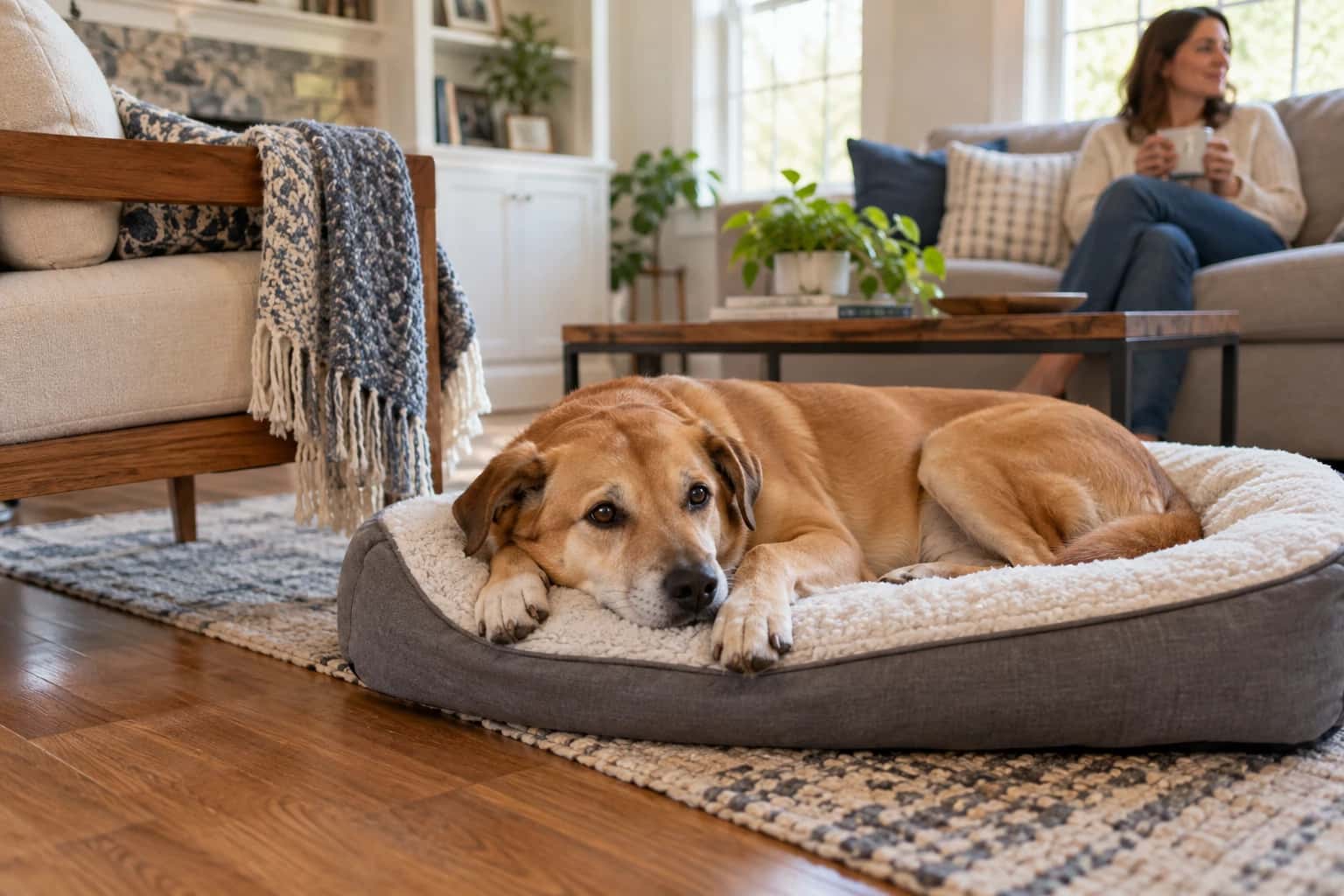
- Give your dog a comfortable space of their own, like a crate or a quiet room with their bed and a chew. Busy households can be a lot for dogs too, and a little retreat is good for everyone.
- Remind yourself that your dog didn't do anything wrong. A few days of adjustments is fine.
Know the limits
If your guest has asthma or strong reactions, they should talk to their own doctor ahead of time about how to manage the visit. Grooming and cleaning lower the load, but they can't guarantee a reaction-free stay. Sometimes the better plan is meeting at their place, or a hotel nearby for a longer visit.
A bath a day or two ahead, a clean guest room, and bedding through the wash will do the most good for the least effort.