Pet Health
10 Benefits of Regular Grooming for Your Dog
Regular grooming does more than keep a dog looking tidy. It helps with shedding, skin, nails, comfort, and noticing problems early.
Nat · February 24, 2025 · 4 min read

There's nothing quite like a freshly groomed dog: soft, clean, and happy to be snuggled. But the best part of regular grooming is how your dog feels in the weeks between appointments. Here's what a consistent schedule does for them.
1. Problems get noticed earlier
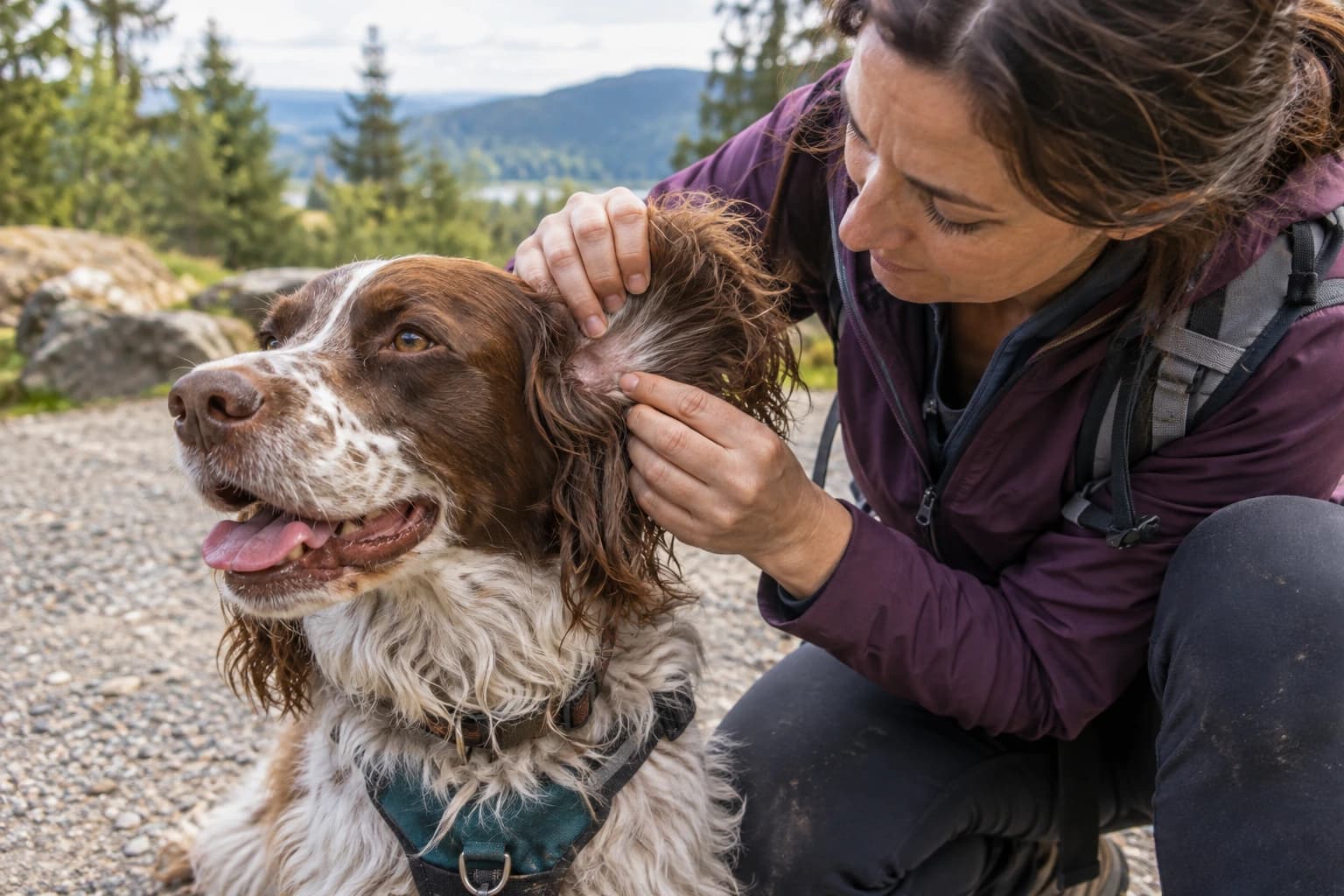
A groomer handles every part of your dog's body. That's often when lumps, skin irritation, ear problems, sore spots, or fleas and ticks get spotted. A groomer can't diagnose anything, but they can point it out so you can have your vet check it sooner.
2. Less shedding around the house
Brushing and de-shedding remove dead undercoat before it ends up on your floors and furniture. It won't stop a dog from shedding, but it can make a real difference, especially for double-coated breeds during their heavy seasonal shed.
3. Healthier skin and coat
Regular brushing and bathing spread the coat's natural oils, clear out dead hair and dander, and keep mats from forming. Mats pull on the skin and trap moisture and dirt against it, so preventing them matters for comfort as well as looks.
4. Nails at a comfortable length
Long nails change how a dog stands and walks and make it harder to grip smooth floors. They're also more likely to snag and tear. Regular trims keep them at a length that doesn't get in the way, which is especially helpful for older dogs.
5. Comfort
A dog with a clean, tangle-free coat, a trimmed face so the hair isn't in their eyes, and a length suited to the season is simply more comfortable. Tangles and mats can restrict movement and make lying down uncomfortable. A comfortable dog is free to do what they love: run, roll, nap in the sun, and lean on you on the couch.
6. Keeping an eye on parasites
Bathing and brushing are good chances to spot fleas, flea dirt, and ticks. Catching them early makes them easier to deal with. For prevention, follow your vet's advice.
7. A cleaner-smelling dog
Regular baths, clean ears, and a tidy rear end go a long way. If your dog has a strong smell that comes back quickly after bathing, or bad breath, mention it to your vet, since that can point to something grooming won't fix.
8. A dog that's easier to handle
Dogs that are groomed regularly get used to having their paws, ears, face, and body handled. That tends to make grooming easier over time, and it can help at the vet too. Shy or nervous dogs often become more relaxed with gentle, consistent handling, and watching a worried dog learn to trust is one of my favorite parts of this work.
9. A cut that suits how your dog lives
A regular groomer gets to know your dog and can keep a style that fits their coat and routine: shorter and practical for an active dog, adjusted for the season, with extra attention to spots that tend to mat.
10. Less for you to worry about
With a regular schedule, you're not waiting until the coat is a mess or the nails are clicking. You also get a second set of eyes on your dog and advice on what to do at home between visits.
How often
Every dog is different, but as a general starting point:
- Curly and non-shedding coats (Poodles, doodles, Bichons): every 4 to 6 weeks
- Long-haired breeds: every 4 to 6 weeks
- Double-coated breeds: every 8 to 12 weeks, more often during heavy shedding
- Short-haired breeds: every 6 to 8 weeks
- Seniors: often do better with shorter, more frequent sessions
Brushing at home between appointments makes each groom easier and helps the coat stay in good shape. It's also a lovely few quiet minutes with your dog.
If you're in the East Bay and want to set up a regular grooming schedule, get in touch.