Grooming Tips
How to Pick the Best Grooming Style for Your Dog's Breed
Teddy bear cut, puppy cut, or something else? How to choose a grooming style that suits your dog's coat, your routine, and your dog's comfort.
Nat · June 2, 2025 · 4 min read
Choosing a haircut for your dog is one of the fun parts of grooming. You know their face better than anyone, and it's natural to want them to look as sweet on the outside as they are on the inside. People often show me a photo of a cut they love, and sometimes it's on a completely different breed, which is completely understandable. A good style has to fit three things: your dog's coat, how much brushing you can realistically do, and above all your dog's comfort. Here's how I think about it.
Start with the coat
The coat decides what's possible.
Coats that keep growing (Poodles, doodles, Maltese, Yorkies, Shih Tzus) can be cut to almost any length and shape. They shed less but mat more, and they need regular trims.
Double coats (Huskies, Golden Retrievers, German Shepherds) have a soft undercoat under longer guard hairs. These generally shouldn't be shaved. Grooming here is about removing loose undercoat, tidying, and shaping rather than changing the length.
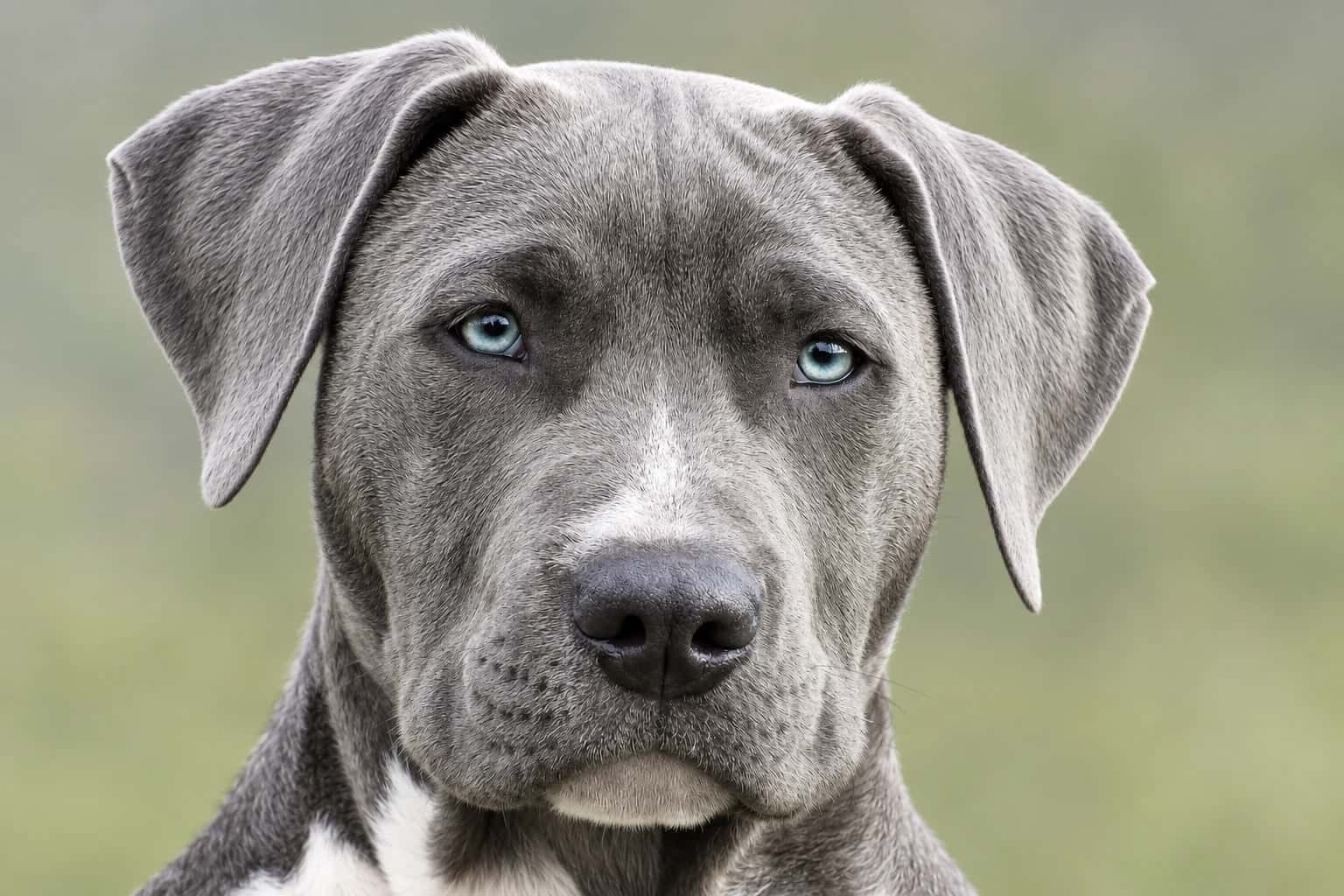
Short, smooth coats (Labs, Beagles) grow to a set length and shed. There isn't much to cut. They mostly need bathing, deshedding, and nails.
Common styles
Teddy bear cut. A rounded face with the body kept fairly short and even. Popular on Poodles, doodles, Bichons, and Shih Tzus. Usually needs a groom every 4 to 6 weeks.
Puppy cut. Short all over with a tidy face and feet. Easy to care for. "Puppy cut" means different things to different groomers, so always agree on an actual length.
Lion cut. A full mane with the body clipped short. A distinctive look that suits some breeds and not others.
Breed standard cut. The traditional look for the breed. Beautiful, but usually the most work to maintain.
Practical pet trim. A simplified version of the breed cut that keeps the character of the breed with less upkeep. This is what a lot of families end up happiest with.
You don't have to stick to one named style. A mix often works best, for example a fuller teddy bear face with a shorter body that's easier to keep free of mats.
Questions to ask yourself
How much brushing can you actually do? Longer styles need brushing most days. Life is busy, and there's no guilt in admitting that won't happen. A shorter cut will keep your dog more comfortable and spare them mats that have to be clipped out, which is a loving choice, not a lazy one.
What does your dog do all day? Dogs that swim, hike, or roll in the dirt do better with shorter coats, trimmed feet, and ears that dry quickly. Dogs who mostly lounge at home can carry more length.
What's the weather like? A bit shorter in summer helps with heat, but very short isn't always cooler and can leave skin exposed to sun. Slightly longer is fine for cooler months, as long as you keep up with brushing.
How old is your dog? Older dogs often do better with simpler cuts that mean shorter grooming sessions and less time on tired legs. A gray-muzzled dog in a soft, easy trim is one of my favorite sights.
Mistakes I see often
- Copying a photo of a different breed. Coat type matters more than the picture.
- Shaving a double-coated dog to deal with shedding or heat. It doesn't fix shedding, and the coat may not grow back the same.
- Picking a long style without the time to maintain it. Mats build up fast and pull on the skin, and the kindest fix is often a short shave-down. It happens to caring owners all the time, so if it's happened to you, don't beat yourself up.
- Never revisiting the style. What suited your dog at two may not suit them at twelve.
Working with your groomer
- Bring a few photos, ideally of dogs with a similar coat.
- Talk in lengths, not names, since names vary between groomers.
- Be honest about how much brushing happens at home.
- If you're unsure, start longer. You can always go shorter next time.
Hair grows back, so there's room to experiment and have a little fun. In the end, the best style is the one that keeps your dog comfortable and happy, and fits the life you share together. Your dog will be just as lovable whatever length they're wearing.
If you're in the East Bay and want help choosing a style, get in touch.